News
Workforce design is the AI-era gap that most organisations are missing

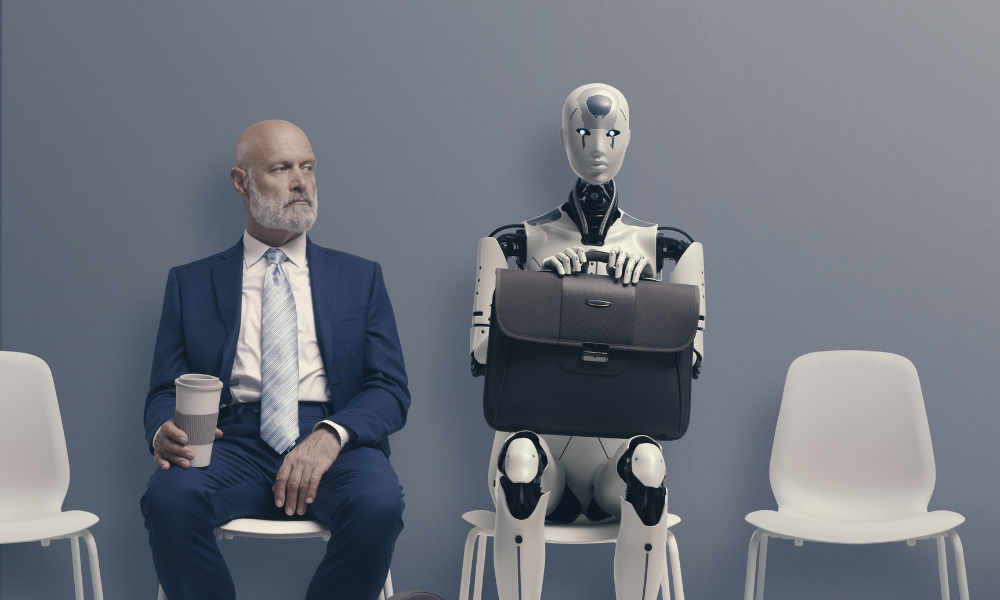
“AI has just shred that to pieces,” Gouel says of the traditional information-advantage model. “It’s going to come back to good decision-makers that can make decisions within that governance framework – and that works at all levels of the organisation. I’m not talking about executive leadership. It’s all levels.”
Design the work before you deploy AI tools
The pattern is consistent across markets: AI tools are acquired, licences distributed, adoption tracked, but the underlying work is never examined. Lee-Ann Reid, Vice President of Operations and Director of HR at Vistek, a Canadian imaging and technology retailer with approximately 160 employees, says she spent six to 10 years building process maps for every workflow before asking where automation could add value. The maps identified which tasks were deterministic, which required genuine judgment, and where handoffs created friction – providing the design foundation that made AI deployment meaningful rather than cosmetic.
“An HR professional understands how to remove the emotional attachment from the role to really look at the challenge,” Reid says. “The challenge is before us on the table together, and we’re going to solve it together.”
Transformation requires collaboration between HR and IT
Fiona Ho, the Vancouver-based CHRO at Sophos, a global cybersecurity company based in Abingdon, U.K., has articulated the same distinction from an Asia-Pacific perspective. “For HR leaders – if they’re not already – I would highly encourage working closely with their IT departments when it comes to rolling out AI and going through these workforce transformations,” says Ho. “This is not a technology rollout. We think about this as a workforce transformation and all of these different areas come together and we’re rolling this out to the whole company collectively.”
Ho believes that effective AI adoption requires building foundational human skills – critical thinking, clear communication, and accountability for AI outputs – alongside tool access. Giving employees a licence is not the same as giving them a capability, she says. The gap between the two is a design gap, not a training gap, and it requires a different kind of investment to close.
Read the full article here








Performance follow-through: how HR can close the gap

Nvidia scandal prompts board inquiry as Huang admits affair

Menopause in the workplace: silence is pushing experienced women out

Pharmacy benefit managers must disclose fees under new federal rule

Dependent care flexible spending account plans face year-end deadline

Ryanair slows hiring as it braces for €2bn fuel hit

A U.S. giant just collapsed spectacularly. What that teaches employers about succession planning

U.S., Canada dominate global AI talent: report

National Guard member sues Wells Fargo, alleges firing over military duty

AI’s productivity payoff is real but narrow. The bigger jobs test may come with the next downturn

The HR Dialogues #43 | Adaptive Strategy in Practice: Why Execution, Culture and People Matter

Feelings Aren’t a Strategy #shorts

The HR Dialogues Ep#15 | How to Harness the Power of People and Talent Analytics

POV: The team is “collaborating” #shorts

POV: HR Is “Just Admin” #shorts
 News6 days ago
Ryanair slows hiring as it braces for €2bn fuel hit
- News7 days ago
A U.S. giant just collapsed spectacularly. What that teaches employers about succession planning
- News6 days ago
U.S., Canada dominate global AI talent: report
- News6 days ago
National Guard member sues Wells Fargo, alleges firing over military duty
- News6 days ago
AI’s productivity payoff is real but narrow. The bigger jobs test may come with the next downturn
- News7 days ago
Nearly 60% of CEOs plan to replace a senior leader within six months
- News6 days ago
Canva job cuts affect 1,271 roles in first redundancy round
- News6 days ago
Millions of employees are ‘faking it’ at work under AI pressure