News
Meta Muse AI stops sharing feature as corporate leaks exposed

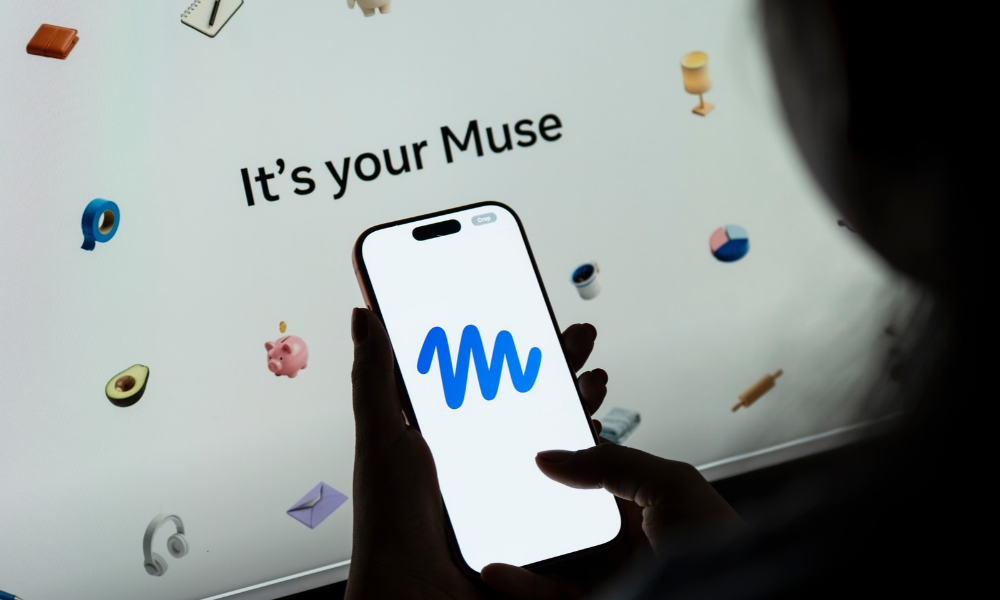
Claroc said it reported the issue to Meta’s bug bounty program on Oct. 8, did not log in or bypass any controls, and has no evidence anyone misused the pages. It withheld every name, title and link from its write-up.
It is not Muse’s first security headline in its six weeks on the market. In late September, Reuters, citing The Information, reported that Meta was adding a clearer safety warning inside the app after an outside researcher found a separate flaw that could have exposed a user’s cloud-based workspace. The app has been popular regardless: Sensor Tower estimated about 2.8 million downloads in its first two weeks, according to Reuters. Mark Zuckerberg had introduced Muse as “built from the ground up for privacy and security.”
Why this lands on HR’s desk
Of the six sensitive pages Claroc described, two sit squarely in HR territory. The vacation calendar is employee data, and it is also a map of when specific people are out of the office, which is useful to anyone attempting fraud or impersonation. Claroc made the same point, warning that lists like this are ready-made for social engineering. That concern overlaps with the growing debate over who owns workforce identity risk, where a recent Entrust survey found just 8 percent of IT and security leaders say HR or the CHRO owns it.
The executive-search notes point to a quieter risk. Candidates, recruiters and hiring managers increasingly use AI to prepare for interviews, and a confidential search is only as confidential as the least careful person in the loop. Claroc noted that while a candidate’s biography might be public, the fact that a particular meeting is happening is not.
None of the exposed content came from a corporate rollout. Muse needs no admin approval, so employees can sign up on their own and connect it to their email and calendars. That is the textbook definition of shadow AI, and HR data is already caught up in it. In Kiteworks’ 2026 Data Security and Compliance Risk survey, 65 percent of organizations said they had discovered employees using unapproved AI tools with sensitive company data. Among those, 31 percent found employee personal and HR data flowing through the tools.
Read the full article here









Performance follow-through: how HR can close the gap

Nvidia scandal prompts board inquiry as Huang admits affair

Menopause in the workplace: silence is pushing experienced women out

Pharmacy benefit managers must disclose fees under new federal rule

Dependent care flexible spending account plans face year-end deadline

Ryanair slows hiring as it braces for €2bn fuel hit

A U.S. giant just collapsed spectacularly. What that teaches employers about succession planning

U.S., Canada dominate global AI talent: report

National Guard member sues Wells Fargo, alleges firing over military duty

AI’s productivity payoff is real but narrow. The bigger jobs test may come with the next downturn

The HR Dialogues #43 | Adaptive Strategy in Practice: Why Execution, Culture and People Matter

Feelings Aren’t a Strategy #shorts

The HR Dialogues Ep#15 | How to Harness the Power of People and Talent Analytics

POV: The team is “collaborating” #shorts

POV: HR Is “Just Admin” #shorts
 News6 days ago
Ryanair slows hiring as it braces for €2bn fuel hit
- News7 days ago
A U.S. giant just collapsed spectacularly. What that teaches employers about succession planning
- News6 days ago
U.S., Canada dominate global AI talent: report
- News6 days ago
National Guard member sues Wells Fargo, alleges firing over military duty
- News6 days ago
AI’s productivity payoff is real but narrow. The bigger jobs test may come with the next downturn
- News7 days ago
Nearly 60% of CEOs plan to replace a senior leader within six months
- News6 days ago
Canva job cuts affect 1,271 roles in first redundancy round
- News6 days ago
Millions of employees are ‘faking it’ at work under AI pressure