News
4-day week, WFH eyed as shield from global oil shocks


European modelling has reinforced the pattern. Analysis by the Carbon Trust across several major economies suggests that hybrid working arrangements—where employees split their time between home and the office—can deliver substantial emissions cuts by reducing car travel and the energy used in office buildings.
In Germany, one scenario found that widespread homeworking could save millions of tonnes of CO₂ annually, with much of that coming from lower fuel consumption as people commute less.
Conserving energy by WFH
On the business side, international experience also suggests that alternative work arrangements can help in conserving energy.
While most experiments with shorter work weeks and flexible arrangements have been framed around productivity and employee wellbeing, many have also delivered tangible energy savings in offices and on the roads.
In 2019, Microsoft Japan’s four‑day workweek trial saw productivity jump by about 40% compared to the previous year, The Guardian reported. Company documents from that pilot also reported marked reductions in office electricity consumption and paper use when offices were closed for an extra day each week.
Read the full article here









Performance follow-through: how HR can close the gap

Nvidia scandal prompts board inquiry as Huang admits affair

Menopause in the workplace: silence is pushing experienced women out

Pharmacy benefit managers must disclose fees under new federal rule

Dependent care flexible spending account plans face year-end deadline

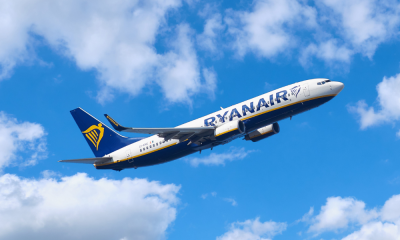
Ryanair slows hiring as it braces for €2bn fuel hit

A U.S. giant just collapsed spectacularly. What that teaches employers about succession planning

U.S., Canada dominate global AI talent: report

National Guard member sues Wells Fargo, alleges firing over military duty

AI’s productivity payoff is real but narrow. The bigger jobs test may come with the next downturn

The HR Dialogues #43 | Adaptive Strategy in Practice: Why Execution, Culture and People Matter

Feelings Aren’t a Strategy #shorts

The HR Dialogues Ep#15 | How to Harness the Power of People and Talent Analytics

POV: The team is “collaborating” #shorts

POV: HR Is “Just Admin” #shorts
 News6 days ago
Ryanair slows hiring as it braces for €2bn fuel hit
- News7 days ago
A U.S. giant just collapsed spectacularly. What that teaches employers about succession planning
- News6 days ago
U.S., Canada dominate global AI talent: report
- News6 days ago
National Guard member sues Wells Fargo, alleges firing over military duty
- News6 days ago
AI’s productivity payoff is real but narrow. The bigger jobs test may come with the next downturn
- News7 days ago
Nearly 60% of CEOs plan to replace a senior leader within six months
- News6 days ago
Canva job cuts affect 1,271 roles in first redundancy round
- News6 days ago
Millions of employees are ‘faking it’ at work under AI pressure